viernes, 25 de octubre de 2013

Sarah Beth


Con años de experiencia, montones de paciencia y una pausada energia, Sarah es capaz de capturar el espíritu de las mascotas de una forma en la que nadie más puede. Los animales son su especialidad y su pasión. No es una fotógrafa de bodas o de familias que de vez en cuando hacen fotos a sus mascotas, es una Fotógrafa de Mascotas. Y desde luego queda demostrado en esta pequeña muestra de su gran trabajo. 

With years of experience, lots of patience, and a very calm energy, Sarah is able to capture the spirit and personality of  pets in a way that no one else can. Animals are her specialty and her passion…. She´s not a wedding or family photographer who occasionally shoots pets, she´s a Pet Photographer.  And it is certainly demonstrated in this small sample of her fantastic work.


jueves, 24 de octubre de 2013

10 consejos para preparar tu casa a prueba de cachorros. 10 tips to prepare your house puppy proof


1. Deja todos los productos de limpieza, productos químicos, detergentes, insecticidas, venenos fuera del alcance del cachorro. Hay productos que pueden parecer inocuos pero que para un cachorro puede ser tóxico e incluso mortal, como los jabones, productos de belleza, perfumes, medicaciones, el anticongelante del coche, productos para el cabello, quitaesmaltes ...


2. Mantén toda la comida fuera de su alcance y fuera de su olfato. No dejes restos de comida que pueda oler ya que intentará cogerlo seguro, poniendo en peligro su integridad. Nunca subestimes la habilidad de un cachorro para conseguir comida.

3. Protege escaleras, balcones y espacios abiertos para evitar caídas. Si le dejas en el exterior asegúrate que no puede escapar por la puerta o lugares por donde podría cavar y escapar. Asegúrate también que nadie puede entrar y llevárselo.


4. Si tienes jardín hay que ser especialmente cuidadoso con las plantas porque algunas son venenosas. Asegúrate que no tienes ninguna peligrosa y retíralas. No uses pesticidas ni venenos que pueda chupar. Comprueba que no hay zonas peligrosas donde pueda meterse.


5. Deja siempre la taza del inodoro bajada y también deberán hacerlo todos los miembros de la familia. Asegúrate que sepan lo importante que es para evitar que el cachorro intente beber del baño y se caiga en él, podría ahogarse. Lo mismo ocurre con el cubo de fregar el suelo, nunca lo dejes a su alcance.

6. Los cachorros exploran con la boca, mantén todos los objetos pequeños que se pueda tragar lejos de su alcance, como monedas o juguetes. Pero también todos aquellos objetos que no quieres que te rompa, como zapatos o que tengan un valor sentimental.

7. Mantén todos los cables eléctricos fuera de su alcance. Podría mordisquearlos y sufrir una descarga pero también puede tirar de ellos y romper un aparato de gran valor, por ejemplo tirar del cable del cargador y romper el móvil.

8. Cuidado con los cordones de las cortinas o de las persianas. Al estar colgando son especialmente atractivos y mientras juegan podrian enrollarse en ellos y ahogarse.


9. Asegúrate de dejar siempre cerrado el cubo de basura, la lavadora, el fregaplatos, estufas... cualquier cosa donde el perro se pueda meter y producirse daño.


10. Proporciónale un lugar seguro donde pueda descansar y tener su cama, manta y juguetes. Si tiene un lugar donde ir y jugar no andará explorando para buscar algo con lo que entretenerse.

Ahora que ya has preparado la casa, vuelve a revisar todo pero ahora con los ojos de un cachorro y asegúrate que no has dejado nada que pueda ser peligroso, nada que pueda masticar, nada donde se pueda meter o caer o por donde pueda escalar.

1 Leave all cleaning and chemical products, detergents, insecticides, poisons....out of reach of the puppy. There are products that may seem innocuous, but that for a puppy can be toxic and even deadly, as soaps, beauty products, perfumes, medications, antifreeze car, hair products, nail polish remover...

2 Keep all food out of reach and out of their sense of smell. Do not leave food scraps that can smell they will attempt to take it sure, putting at risk their integrity. Never underestimate the ability of a puppy to get food.

3. Protects stairs, balconies and open spaces to prevent falls. If you leave the puppy outside, make sure that it cannot escape by the door or places where it could dig and escape. Also make sure that nobody can come and take it.


4 If you have a garden you have to be especially careful with plants because some of them can be poisonous. Make sure that you don't have any dangerous and remove them. Do not use pesticides or poisons that can suck. Check there are no dangerous places 


5 Always leave the toilet bowl down and also train every member of the family. Be sure everybody know the importance of keeping it down to prevent the puppy try to drink from the bathroom and falls on it, it could drown. The same happens with the bucket of mopping floors, always leave it out of reach.

6 Puppies explore with their mouth, keep all small objects that can swallow out of their reach, such as coins or toys. But also all those objects that you do not want to be broken, such as shoes or those which have sentimental value.

7. Keep all power cords out of reach. It could nibble them and shock but also can pull them and break a device of great value, for example pulling the charger cable and break the mobile.

8. Careful with cords of curtains or blinds. They are especially attractive to be hanging and playing it could become wrapped around them and drown.

9 Make sure you always leave closed dustbin, the washing machine, the dishwasher, stoves... anything where the dog can be put and damage occur.


10 Provide a safe place where the puppy can rest and have its bed, blanket and toys. If the puppy has an own place to go and play, he won´t be exploring to find something to entertain himselves.

Now that you have already prepared your house, returns to check everything, but now with the eyes of a puppy and make sure that you have not left anything that could be dangerous, nothing that can chew, anything where it can put or fall or where it can scale.


Fotos www.pinterest.com


miércoles, 23 de octubre de 2013

Gerrard Gethings


Me encantan los fotógrafos de animales porque me admira la paciencia que deben tener. Y además me parece un trabajo divertido. Hoy es el turno del genial fotógrafo inglés Gerrard Gethings, que tiene su estudio en Londres. Acaba de publicar el libro Dogonomic.  En su página tiene además un blog de fotografía donde cuenta sus experiencias.
I love photographers of animals because I admire the patience they must have. And I also think it´s a fun job. Today is the turn of the great English photographer Gerrard Gethings, who has his studio in London. He has just published the book Dogonomic. On his web page you can read in addition a photography blog where he tells his experiences.


martes, 22 de octubre de 2013

Como actuar si te encuentras un perro perdido. What to do if you find a lost dog


¿Qué se debe hacer cuando encuentras un perro perdido?

1. Sentarse.
2. Girar el cuerpo de manera que ofrezcamos la espalda o el costado al perro.
3. Evitar el contacto ocular con el perro y agachar la cabeza para no parecer amenazante.
4. Ofrecer comida o snacks que le puedan gustar (salchichas, pollo, queso, etc.) por detrás o al lado de nuestro cuerpo, nunca delante.
5. No hablar.
6. Esperar pacientemente para que el perro se acerque a ti. No hagas movimientos bruscos, pero sigue tirando las golosinas.
7. No agarrar al perro cuando se acerque, sino que hay que esperar con paciencia y confianza.
8.  Hablar en voz baja y suavemente, pero si al hablar se aleja, hay que dejar de hablar y continuar ofreciéndole comida hasta que confíe en ti lo suficiente como para acercarse.
9. Acariciarle suavemente y hablarle en voz baja.
10. Cogerle con movimientos suaves y con mucho cuidado. Un perro asustado puede morder para defenderse, además podría encontrarse herido y podríamos dañarle. 
11. Llevarle a un centro veterinario para poder leer el microchip y localizar a su dueño. En caso de que no tenga microchip puedes llamar al Centro de Protección Animal de tu ciudad (en Madrid al 913094135 / 915110511) para que se hagan cargo del animal hasta que el dueño acuda a buscarle.  
Si el perro está herido o parece enfermo entonces ten mucho cuidado, puede volverse agresivo y darte un susto… En ese caso lo mejor es quedarte cerca y llamar al SEVEMUR. Ellos vendrán y se harán cargo. También puedes contactar con ellos si te encuentras un perro perdido de madrugada o en un fin de semana. Para hablar con el SEVEMUR puedes llamar al 092 y al 112


What should you do when you encounter a lost dog?

1. Sit down.
2. Turn your body so your back or side is to the dog.
3. Keep your eyes averted and bow your head so as to look non-threatening.
4. Toss tasty treats (hot dogs, chicken, smelly cheese, etc.) behind you or to the side of you.
5. Don’t talk.
6. Wait patiently for the dog to approach you. Don’t make any sudden movements, but continue to toss treats.
7. Don’t grab the dog when they get close, but wait patiently and build trust.
8. Speak softly, but if they back away, stop talking and just continue to toss treats until they trust you enough to come closer.

9. Gently stroking him and speak to him in a low voice.
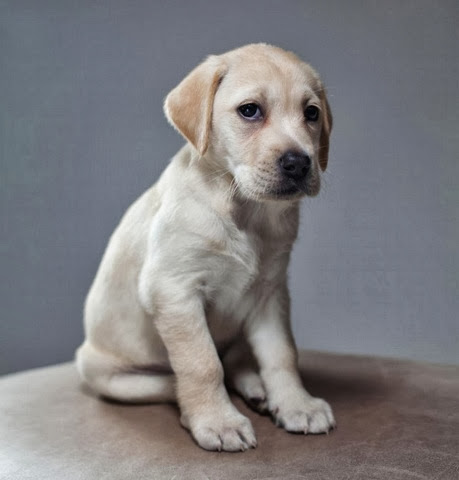
10. Take him with gentle movements and very carefully. A frightened dog may bite to defend himselves, could also be injured and we could harm him.
11. Take him to a Veterinary Center to read the chip and locate his owner. If he hasn´t you must phone authorities (police, animal help centers...)


Fotos via www.pinterest.com